
Few experiences are as distressing for property owners as discovering severe damage to their home, filing an insurance claim, and receiving a formal refusal letter in response. Homeowners insurance is meant to serve as a financial safety net after sudden storms, plumbing failures, or structural disasters. When an insurer denies coverage, property owners are left facing costly out-of-pocket repairs while trying to decipher complex policy language.
Understanding how to dispute a denied home insurance claim gives policyholders the tools needed to challenge unfair decisions. Insurance companies operate as profit-driven businesses, and initial claim rejections or lowball settlement offers are common tactics used to minimize payout liabilities. Knowing why insurers deny claims—and following a structured appeal process—can make the difference between absorbing thousands of dollars in losses and securing the coverage you paid for.
Common Reasons Insurance Companies Deny Claims
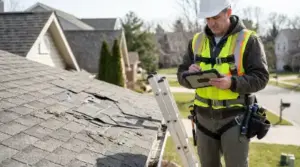 When an insurer rejects a claim, they are legally required to provide a written explanation citing specific policy provisions or exclusions. Reviewing this formal denial notice is the first step toward building an effective response.
The most frequent triggers for home insurance claim denials include:
- Wear and Tear vs. Sudden Loss: Standard homeowners policies cover sudden, accidental events (such as a burst pipe or windstorm). Insurers routinely reject claims by classifying structural issues or water intrusion as long-term neglect, gradual deterioration, or deferred maintenance.
- Policy Exclusions: Standard insurance policies explicitly exclude specific perils unless optional endorsements are added. For example, damage caused by surface flooding or rising groundwater is excluded from standard policies, requiring separate coverage through programs managed by the National Flood Insurance Program.
- Late Filing or Notice Delays: Insurance policies require policyholders to report losses within a prompt timeframe. Delays in notifying the insurer can provide the carrier with grounds for denial, claiming that the delay prevented them from properly investigating the damage.
- Failure to Mitigate Damage: Policyholders have a legal responsibility to prevent further damage after an event occurs—such as placing tarps over broken roofs or shutting off main water lines. If the insurer determines that secondary damage resulted from inaction, they may reject that portion of the claim.
Understanding Field Adjusters and Carrier Investigations
Following a property loss, the insurance company dispatches a field adjuster to inspect the property and write an official scope of loss report. It is critical to understand that company adjusters and independent adjusters hired by the carrier work on behalf of the insurer, not the homeowner.
During the inspection, adjusters may overlook hidden structural damage, underestimate current labor and material costs, or attribute structural damage to pre-existing conditions. For comprehensive guidance on consumer insurance rights and regulatory oversight, consulting materials provided by the National Association of Insurance Commissioners can help policyholders understand state-level protections against improper claims handling.
If the adjuster’s final summary misrepresents the cause or extent of the damage, the carrier’s underlying decision will reflect those inaccuracies. Identifying discrepancies in the adjuster’s original report is key to reversing an unfair rejection.
Step-by-Step Guide to Disputing a Claim Denial
If you receive an unjust denial or an inadequate settlement offer, take these systematic steps to challenge the insurance company’s decision:
1. Review Your Policy and Denial Letter
Carefully read the official rejection letter alongside your complete policy contract—including the declarations page, coverage endorsements, and policy exclusions section. Identify the exact clause the carrier relies on to deny coverage so you can gather evidence specifically countering their position.
2. Gather Comprehensive Independent Evidence
To overturn a denial, you must present compelling proof that refutes the insurer’s findings. Collect and organize:
- High-resolution date-stamped photographs and videos of all damaged areas taken immediately after the event.
- Maintenance records and prior home inspection reports demonstrating the property was well-maintained before the loss occurred.
- Detailed repair estimates from licensed independent contractors clearly separating sudden loss damage from normal wear.
- Weather reports or municipal reports confirming severe local weather events on the date of loss.
3. Request an Independent Engineering or Contractor Report
If the insurer claims that foundation cracking or roof damage stemmed from age or poor construction, hire an independent structural engineer or licensed roofing contractor. A written, unbiased professional opinion detailing the true cause of damage provides strong legal leverage during appeals.
4. Draft a Formal Internal Appeal Letter
Submit a formal written appeal to the insurance company’s claims department. Include your policy number, claim number, a clear narrative detailing why the denial is incorrect, and copies of all supporting evidence, professional quotes, and expert reports. Request a formal response within a specific timeframe (e.g., 30 days).
When to Bring in External Support
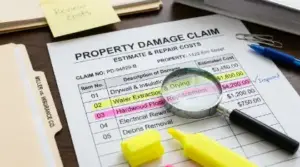
If internal appeals do not yield a fair outcome, policyholders have additional avenues to enforce their policy rights:
- Public Insurance Adjusters: Licensed public adjusters represent homeowners, not insurance companies. They inspect property damage, interpret policy terms, prepare detailed scopes of loss, and negotiate settlements directly with the carrier on your behalf.
- State Department of Insurance: If you suspect the carrier is using deceptive tactics, failing to respond, or acting in bad faith, you can file a formal administrative complaint with your state’s insurance commissioner.
- Insurance Dispute Attorneys: When substantial financial losses are involved or the carrier engages in bad faith practices—such as unreasonably delaying investigations or refusing to review fresh evidence—retaining an experienced insurance litigation attorney may be necessary to recover full compensation.
Final Thoughts: Stand Up for Your Rights
A home insurance claim denial is not the final word on your property damage recovery. By keeping thorough records, understanding your policy terms, and presenting structured independent evidence, you can successfully challenge unfair decisions and secure the policy benefits you deserve.
If your home insurance claim was recently rejected, take action quickly to ensure your appeal stays within policy time limits and state legal deadlines.