Every year, major corporations pay hundreds of millions of dollars in court-approved class action settlements. These funds are set aside to compensate everyday consumers for issues ranging from false advertising and defective products to severe corporate data breaches. However, billions of dollars in settlement cash go completely unclaimed each year simply because consumers assume the recovery process is too complicated or requires hiring an expensive attorney.
The truth is that the class action system is specifically designed so that individual consumers do not need legal representation to receive their share of a settlement. If you are a member of an affected class, the legal legwork has already been completed by class counsel. All that is left for you to do is submit a claim proving your eligibility before the court-ordered deadline passes.
This comprehensive, step-by-step guide will walk you through exactly how to claim class action settlement money without a lawyer, avoid common pitfalls, track your payment, and protect yourself against scam websites.
Understanding Class Action Settlements: Why You Don’t Need a Lawyer
When a court certifies a class action lawsuit and approves a settlement, attorneys representing the “class” (the group of affected consumers) have already negotiated the total payout amount, established eligibility parameters, and appointed an independent settlement administrator. The settlement administrator’s entire job is to handle public notifications, process incoming claim forms, verify eligibility, and distribute cash or vouchers to qualifying class members.
Because these administrative frameworks are built for mass public participation, the filing process relies on standardized claim forms rather than complex legal filings. You are not initiating a new lawsuit; you are simply registering your name to receive your portion of a pre-established settlement fund.
Step 1: Discover Active Class Action Settlements
 Finding settlements that apply to you is the first critical step. Most consumers discover class action lawsuits through three primary channels:
- Direct Class Notices: If a company has your contact records on file (such as a subscription service, bank, or retailer), the settlement administrator will send a notice directly via email or physical mail. These notices contain a unique Claim ID or Confirmation Code that simplifies the application process.
- Official Settlement Websites: Every court-approved settlement has a dedicated website established by the settlement administrator
- Consumer News & Aggregators: Platforms like Consumer Claims Guide aggregate active settlements, breaking down eligibility rules, deadline schedules, and potential payout estimates in plain language.
Step 2: Verify Your Eligibility & Documentation Requirements
Before spending time filling out a form, carefully review the settlement’s specific Class Definition. Eligibility criteria generally revolve around specific purchase windows, geographic locations, or product models.
Settlements generally fall into two categories regarding documentation:
- No-Proof-Required Claims: Many consumer product settlements allow class members to submit a claim without physical receipts for a limited number of items (e.g., up to $10 to $30). You simply sign a declaration under penalty of perjury confirming you purchased the item within the specified date range.
- Proof-Required Claims: Claims involving higher payout values—such as vehicle defects, major appliance repairs, or documented financial losses from data breaches—usually require uploading supporting documentation. Examples include store receipts, credit card statements, repair invoices, or official bank statements showing unauthorized charges.
Step 3: Complete the Official Claim Form
Submitting your claim online via the official administrator’s site is the fastest, safest method. When filling out the digital claim form, ensure you complete the following sections accurately:
- Contact Details: Provide your current legal name, mailing address, primary email address, and phone number. If you moved during the class period, include your previous address if requested.
- Claim Identification Number: If you received an official notice in the mail or via email, enter the unique Notice ID or Claim ID. This pre-populates your verified information and speeds up processing. If you did not receive a notice, select the “File Without Notice ID” option.
- Product or Service Details: Select the specific products purchased or service periods applicable to your situation.
- Payment Preference: Modern administrators offer flexible payout methods, including direct bank deposit, PayPal, Venmo, digital prepaid Mastercard/Visa, or a traditional paper check sent by mail. Selecting digital transfer options often ensures faster receipt once distribution begins.
Step 4: Sign the Affirmation Statement
At the bottom of every official claim form is an affirmation statement declaring that the information provided is accurate under penalty of perjury. Clicking the digital signature box acts as a legal signature. Providing intentionally false details on a class action claim form constitutes fraud, so always ensure your claim reflects truthful purchase history and actual experiences.
Step 5: Save Confirmation Records and Track the Deadline
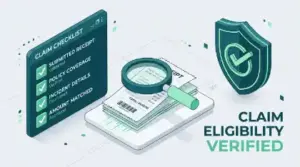
After clicking submit, the portal will generate a Claim Confirmation Code or downloadable PDF receipt. Always save a copy of this confirmation number along with a PDF printout of your completed form. You will need this reference code if you ever need to update your mailing address or check payment status with the administrator later.
To keep your claims organized, maintain a simple spreadsheet or note logging:
- Settlement Name
- Date Submitted
- Claim Confirmation Number
- Estimated Distribution Date / Final Approval Hearing Date
Realistic Payout Expectations & Timelines
Patience is essential when you claim class action settlement money without a lawyer. The timeline from filing a claim to receiving a payout typically ranges from 6 to 18 months.
Key legal milestones that dictate when funds are released include:
- Claim Filing Deadline: The final date for class members to submit their forms.
- Final Approval Hearing: A judge reviews the settlement terms, evaluates objections, and determines whether to grant final approval.
- Appeals Period: Even after judicial approval, objectors may appeal the court’s decision, delaying payment distribution by months or even years while appellate courts review the case. You can monitor official court updates and class action proceedings on resources like the Federal Judicial Center / United States Courts website.
- Audit & Distribution Phase: Administrators audit claims to remove duplicate or fraudulent entries before calculating final individual payout proportions and initiating money transfers.
How to Avoid Class Action Settlement Scams
As consumer interest in settlements grows, deceptive websites and phishing scams have become more common. Keep these crucial security rules in mind:
- Never Pay a Fee: Legitimate class action settlements are always 100% free to join. You will never be asked for credit card details, application fees, or processing charges.
- Never Provide Sensitive Data Unnecessarily: Valid claim forms rarely require your Social Security Number unless the settlement specifically involves tax-reported cash distributions exceeding specific thresholds or deep identity theft monitoring.
- Verify Web URLs: Ensure you are on the administrator’s official domain before entering personal information. Cross-check settlement domain names against legitimate court documents or trusted news guides.
Final Thoughts
Learning how to claim class action settlement money without a lawyer empowers you to enforce corporate accountability while reclaiming money that belongs to you. By staying informed about active settlements, keeping basic records, and submitting claim forms before court deadlines, you can seamlessly collect settlement payouts with minimal effort.